
Table of Contents
You may already be eating a nutritious diet and exercising regularly, but having a proper sleep routine every night is just as important for your mental and physical well-being as every other component of a healthy lifestyle. Poor sleep has countless negative effects including weight gain, decreased brain function and an increased risk of diseases.

As the world of work and what we do at home changes, our sleep quantity and quality has significantly declined. It’s no secret that many people are not sleeping as much as they should and the negative effects become noticeable very quickly. To avoid insomnia and keep yourself in tip-top condition, here are five ways to get a much better night’s sleep.
Use Blue Light Filters
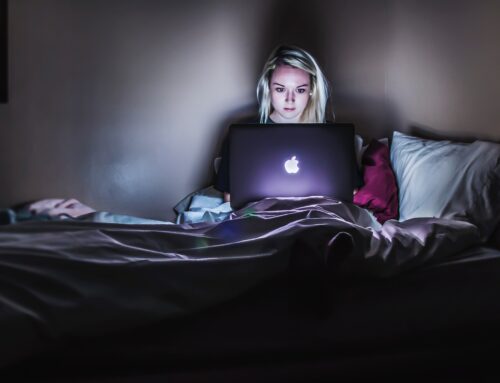
Blue light impacts your circadian rhythm, essentially tricking your brain into thinking the sun is still up. This results in a melatonin reduction, which is a hormone that helps you relax and enter deep sleep. Electronics are the main culprit, be it your smartphone, television or laptop.
You’ve heard that bringing electronics to the bedroom is a bad idea but sometimes you just couldn’t keep them out.
Fortunately, many solutions exist. Most Windows, iOS and Android devices feature a blue light filter setting, which tints your screen with an orange hue in order to eliminate the effect. You could also use glasses that dock blue light. Perhaps the best solution is to simply not use electronics in the evening and rather read a book.
Get More Nutrition
A deficiency in certain nutrients, such as selenium, have been linked to sleep abnormalities. Research has also found that Vitamin C, Vitamin D, potassium, calcium, melatonin and a number of other nutrients are useful in aiding sleep. Certain supplements such as uridine monophosphate, for example, can also help you rest easy at night.
Researchers have found that melatonin, an important hormone that prepares you for sleep, can be interrupted by light emitted from electronics during bedtime. This hormone is produced when the body senses a dark environment and is crucial in maintaining a healthy sleep cycle.
Of course, it is advisable that you consult your doctor before taking any sleep-aids supplements.
Nap Less
Short power naps tend to be pretty good for you, but longer naps have the opposite effect. Sleeping during the day confuses your internal clock, but studies have found that it only happens to some people. If you’re struggling to sleep at night and you take naps for longer than 30 minutes, it may be to blame.
For most people, the optimal napping duration is 15 minutes. It is best to nap during the afternoon as it invigorates the body and mind without affecting your sleep cycle. Make sure you have the alarm set so that you don’t nap longer than necessary.
Optimize Your Environment
Factors such as noise, external light, temperature and furniture arrangement are said to impact your ability to sleep. Studies have found that external noises lead to not only poor sleep, but other long-term health issues as well. Try keeping your windows closed and using ear plugs to decrease the amount of noise coming into your room.
You can also pick up a set of blackout curtains in order to keep your bedroom free from external light at night. The temperature should be cool (around 70 degrees Fahrenheit) and not higher, as high temperatures can increase wakefulness and impact your ability to fall asleep.
Your room should be quiet, cool and also comfortable. Have you ever wondered why you always sleep so well in a hotel? The quality of your mattress, pillows, and blankets can impact your ability to sleep. A good mattress will prevent stiffness, back pain, shoulder pain, and general discomfort, making a good mattress well worth the investment.
Exercise
One of the best science-approved ways to improve your sleep is to exercise regularly. It’s so effective that exercise has been found to reduce symptoms of insomnia better than most medications. Just don’t leave your workout session until too late in the evening, as exercise increases alertness and will, therefore, keep you awake.
Charlene Gamaldo, M.D, the medical director of Johns Hopkins Centre Of Sleep suggested that there is solid evidence that backs up the benefit of exercising for sleep. While more studies are needed, moderate aerobic exercise is linked to slowing down the brain wave, which aids sleep.
In most cases, getting a better night’s sleep is as simple as taking care of your body and mind. It’s recommended that you rule out sleeping disorders until you’ve checked all the potential reasons for your wakefulness. For many people, it’s as simple as one or two small lifestyle changes that need to be made for a good night’s rest.





Leave A Comment